

Asher became the Executive Director of Post Carbon Institute in October 2008, after having served as the manager of our former Relocalization Network program. He’s worked in the nonprofit sector since 1996 in various capacities. Prior to joining Post Carbon Institute, Asher founded Climate Changers, an organization that inspires people to reduce their impact on the climate by focusing on simple and achievable actions anyone can take. Some of his previous roles include:
- Partnership Director at Plugged In, an organization working in East Palo Alto, California that connects individuals and cultivates minds by creating the opportunity to produce, express, and contribute using technology;
- International Production Coordinator at Steven Spielberg’s Shoah Foundation, which created the largest video archive in the world, containing more than 52,000 interviews conducted in 56 countries around the world; and
- Youth Manager at the Volunteer Center of Sonoma County, which engaged more than 800 teens a year in community service and education about social and environmental issues.
- Ghostwriter of the autobiography of a Polish Holocaust survivor who fought as a partisan in the forests of Belarus.
Asher has served as a consultant to a number of other nonprofit organizations. He currently serves on the Climate Action Advisory Board for the City of Corvallis. Asher was born in the Netherlands, and has lived in Israel, Massachusetts, Pennsylvania, Oregon, Connecticut, Colorado, and California. He currently lives in Corvallis, Oregon with his wife and two children. Asher received his B.A. in Creative Writing from The Colorado College.
Articles / Blog posts
-
Man on Fire
April 29, 2022
-

Humility, Gratitude, and Solidarity
December 27, 2021
-
Runaway Money and Overconsumption, or… the Story of Monetary Mischief in Madagascar (Episode 42 of Crazy Town)
May 20, 2021
-

Is the “Great Unraveling” Upon Us?
October 28, 2020
-
Sherri Mitchell on decolonizing the mind
July 14, 2020
-
Seeing White
June 2, 2020
-
Foreclosing on the Frackers: Coronavirus and the Future of Energy (Episode 21 of Crazy Town)
April 16, 2020
-

Delusion to the Left, Denial to the Right (Episode 20 of Crazy Town)
April 9, 2020
-
I Can’t Drive… 35! The Rationale for Rationing (Episode 19 of Crazy Town)
April 6, 2020
-

Coronavirus and the Three Bears (Episode 18 of Crazy Town)
April 2, 2020
-

Nafeez Ahmed on Synchronous Failure and Post-Pandemic Systems Change
March 30, 2020
-

Leslie Davenport on staying sane amid coronavirus craziness
March 19, 2020
-
The Long and Shart of Extreme Travel (Episode 15 of Crazy Town)
March 19, 2020
-
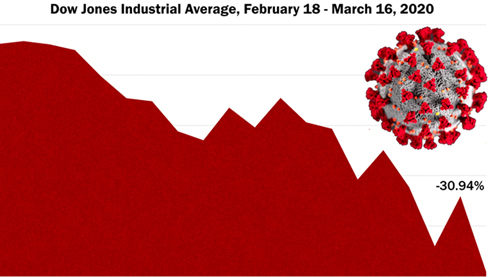
Uncharted Territory: Nate Hagens on coronavirus and the economy
March 17, 2020
-
Bill and Lou’s Not So Excellent Adventure (Episode 14 of Crazy Town)
March 12, 2020
-

Paper-Thin Resources
December 19, 2019
-
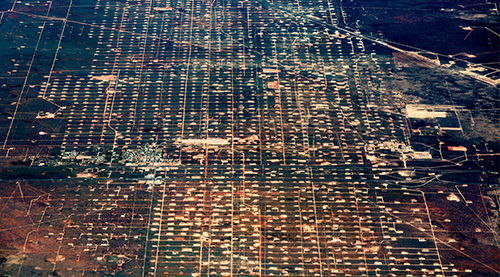
David Hughes’ Shale Reality Check 2019
November 12, 2019
-

Learning How to Talk
October 8, 2019
-
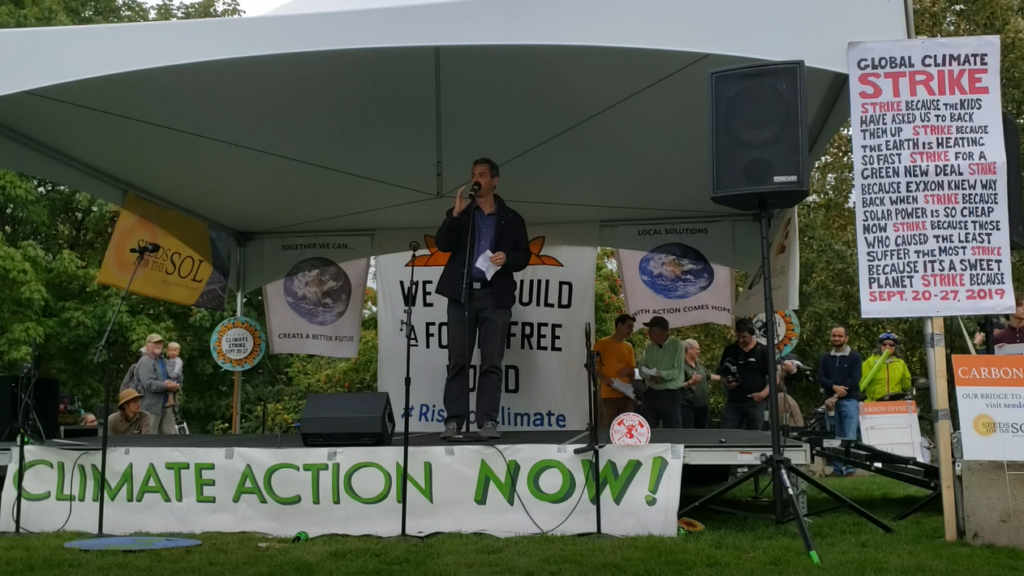
Corvallis Climate Justice Rally
September 30, 2019
-
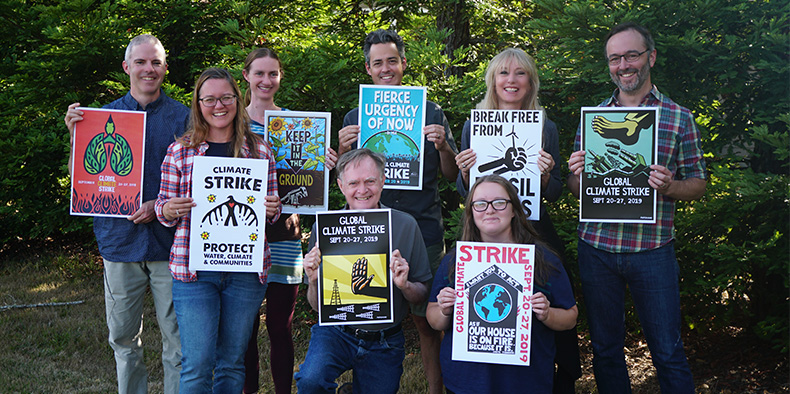
A sea change moment?
September 19, 2019
-
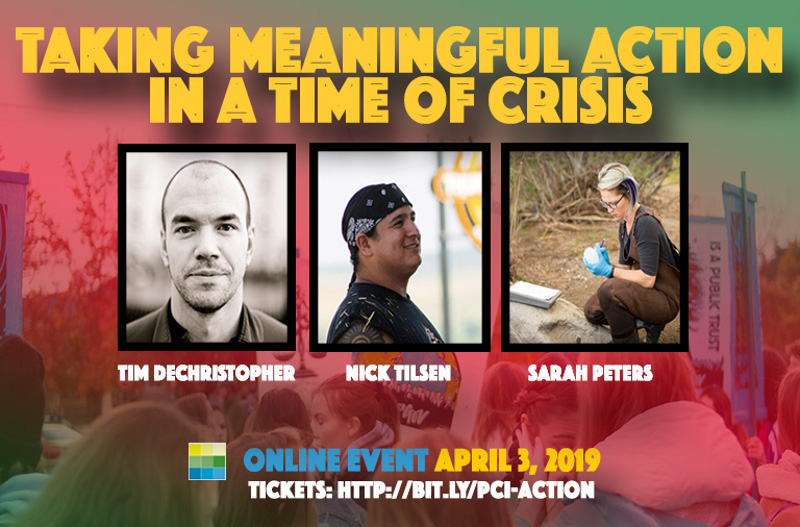
Taking Meaningful Action in a Time of Crisis Event
March 27, 2019
-
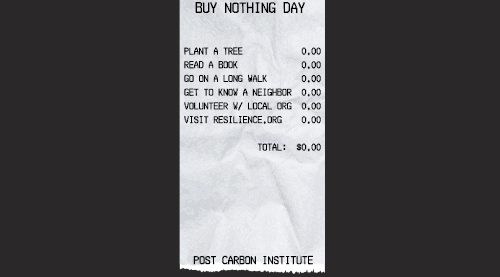
Buy Nothing Ever…er, I Mean Day
November 23, 2018
-
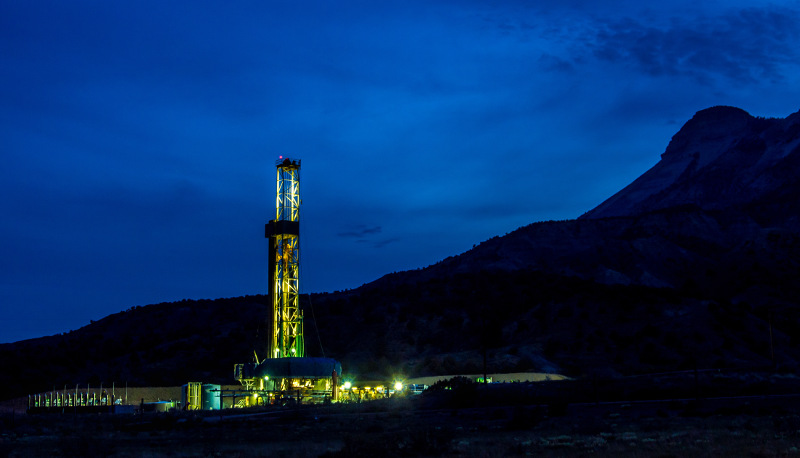
U.S. Department of Energy Doubles Down on Shale Optimism
February 12, 2018
-

Building a National Community Resilience Corps
April 18, 2017
-

So maybe this is a weird way of saying thanks
November 23, 2016
-

On Standing Rock and the Ballot Box
October 31, 2016
-

Guilt by association not enough to discredit new study showing links between asthma and fracking
July 22, 2016
-

In Conversation: Food After Fossil Fuels
July 21, 2016
-

In Conversation: Consumerism After Fossil Fuels
July 1, 2016
-
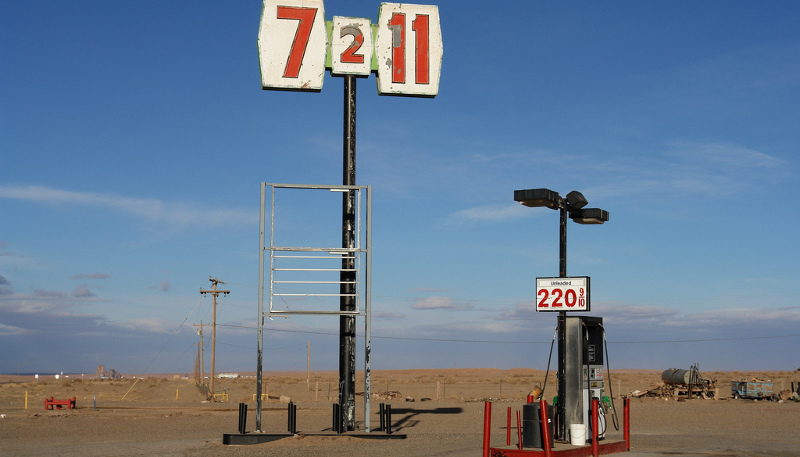
Is Peak Oil Dead and What Does it Mean for Climate Change?
April 28, 2016
Reports
-
Welcome to the Great Unraveling: Navigating the Polycrisis of Environmental and Social Breakdown
June 15, 2023
-
Le Climat Après La Croissance
February 7, 2015
-
Climate After Growth: Why Environmentalists Must Embrace Post-Growth Economics and Community Resilience
September 30, 2013
-
The Real New Deal: Energy Scarcity and the Path to Energy, Economic, and Environmental Recovery
December 1, 2008
Books
-
The Community Resilience Reader: Essential Resources for an Era of Upheaval
September 11, 2017
-
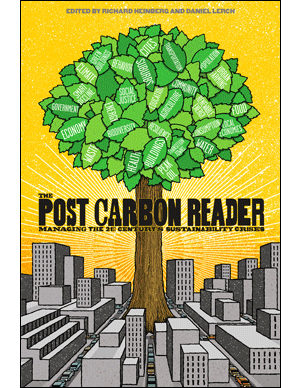
The Post Carbon Reader: Managing the 21st Century’s Sustainability Crises
October 10, 2010
Media
-

Hidden Drivers Wrap-up, or… the Story of the Throbbing Amygdala (Episode 47 of Crazy Town)
June 24, 2021
-
Maximum Power and Scarcity, or… the Story of the Birdbrained Backhoe on the Beach (Episode 46 of Crazy Town)
June 17, 2021
-

Feedback Loops and Climate Catastrophe, or… the Story of the Baseball Bloodbath (Episode 45 of Crazy Town)
June 10, 2021
-
Net Energy and Sustainability, or… the Story of the Overstuffed Strongman (Episode 44 of Crazy Town)
June 3, 2021
-

Overproduction of Elites and Political Upheaval, or… the Story of Rich People Doing Stupid Things (Episode 43 of Crazy Town)
May 27, 2021
-

The Attention Economy and Nature Depletion, or… the Story of Einstein Watching Cat Videos (Episode 41 of Crazy Town)
May 13, 2021
-
Nature Detachment and Ecocide, or… the Story of the Marauding Mountain Lion (Episode 40 of Crazy Town)
May 6, 2021
-
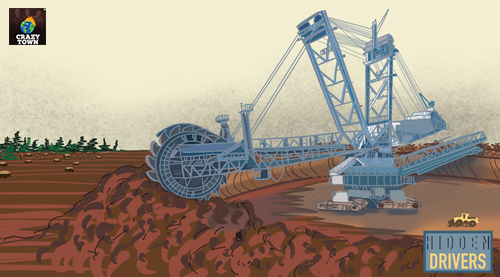
The Myth of Progress and Limits to Growth, or… the Story of the World’s Largest Shovel (Episode 39 of Crazy Town)
April 29, 2021
-

Complexity and Armageddon, or… the Story of the Hemp Microphone (Episode 38 of Crazy Town)
April 22, 2021
-

Discounting the Future and Climate Chaos, or… the Story of the Dueling Economists (Episode 37 of Crazy Town)
April 15, 2021
-
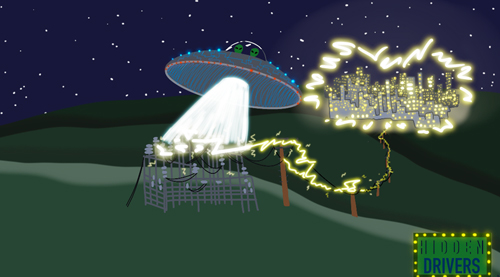
Conspiracy Theories and Collapse, or… the Story of UFOs and Free Energy (Episode 36 of Crazy Town)
April 8, 2021
-

Self Domestication and Overshoot, or… the Story of Foxes and Russian Melodrama (Episode 35 of Crazy Town)
April 1, 2021
-

Fear of Death and Climate Denial, or… the Story of Wolverine and the Screaming Mole of Doom (Episode 34 of Crazy Town)
March 25, 2021
-

Relative Status and Environmental Breakdown, or… the Story of Bartenders and Bird Feathers (Episode 33 of Crazy Town)
March 18, 2021
-

Cognitive Bias and Global Warming, or… the Story of Cattle Prods and Ice Cream Shops (Episode 32 of Crazy Town)
March 11, 2021
-
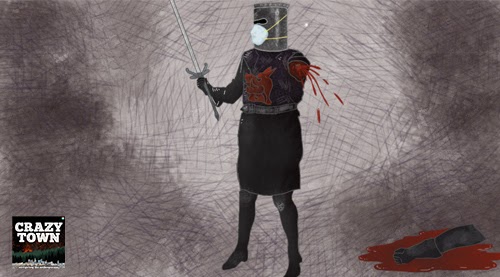
Tis but a Scratch: the Insanity of Returning to Normal (Episode 31 of Crazy Town)
June 18, 2020
-

A Time to Speak up, but Also a Time to Shut up: White Privilege in America (Episode 30 of Crazy Town
June 11, 2020
-
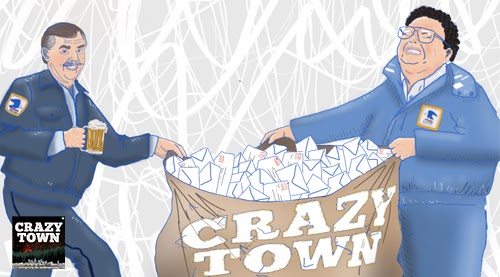
The Crazy Town Mailbag: We Heard from You, and It Wasn’t as Bad as We Thought (Episode 29 of Crazy Town)
May 28, 2020
-

Breaking the Brady Vase: Coronavirus and America’s Fault Lines (Episode 28 of Crazy Town)
May 21, 2020
-

Poked by a Porcupine: the Politics of Contraction (Episode 27 of Crazy Town)
May 14, 2020
-

Doors and Deck Chairs on the Titanic: Reimagining Lifeboat Ethics in the Age of Overshoot (Episode 26 of Crazy Town)
May 11, 2020
-
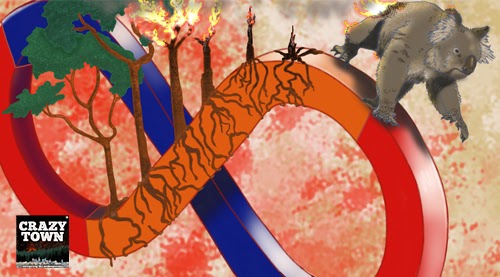
Koala Butts Ablaze and the Sweet Relief of the Adaptive Cycle (Episode 25 of Crazy Town)
May 7, 2020
-

Banana Town: Where Michael Moore Is Censored by the Left and Promoted by the Right (Episode 24 of Crazy Town)
April 30, 2020
-

Mayor McCheese & Modern Medicine: the Good & Bad of High Energy Modernity (Episode 23 of Crazy Town)
April 23, 2020
-
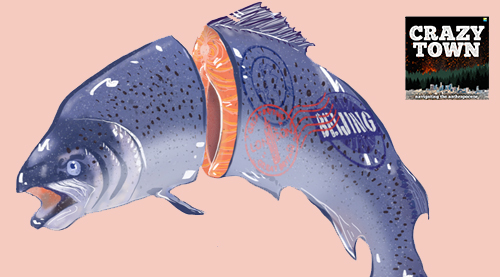
The 10,000-Mile Cod and Insane Global Trade (Episode 16 of Crazy Town)
March 26, 2020
-

Helicopter Money and a Game of Kick the Can (Episode 12 of Crazy Town)
May 28, 2019
-
My Dinner is Stuck in Traffic (Episode 11 of Crazy Town)
May 20, 2019
-
Tackling Inequality, One Pair of Lederhosen at a Time (Episode 10 of Crazy Town)
May 13, 2019
-
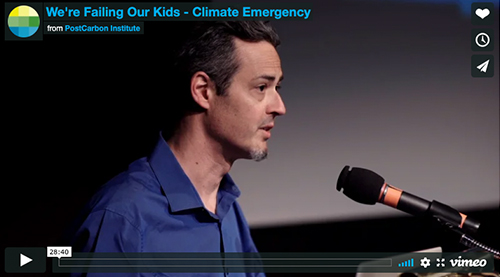
We’re Failing Our Kids
May 10, 2019
-
They’ll Think of Somethingisms (Episode 9 of Crazy Town)
May 6, 2019